
Last Updated: November 17, 2026
Quick Summary
A luxury hand car wash is a paint-safe cleaning method where trained technicians wash your vehicle by hand using soft microfiber mitts, pH-balanced soaps, and a multi-bucket process instead of spinning brushes. Hand washing removes the same dirt as an automated tunnel without dragging grit across your clear coat and leaving swirl marks.
- A proper hand wash starts with a foam cannon pre-soak that lifts loose debris before any contact.
- Ask whether wheel and tire tools are kept separate from paint-contact tools before booking.
- Automated brushes and harsh alkaline soaps degrade a ceramic coating, while pH-neutral hand washing keeps it intact.
- Daily commuting in traffic or near construction calls for a hand wash every one to two weeks.
- Dry with clean microfiber or filtered air, never a worn towel.
Table of Contents
- Why a Luxury Hand Car Wash Beats an Automated Tunnel
- How to Choose a Safe Hand Car Wash
- How to Remove Light Scratches From Car Paint
- Benefits of Ceramic Coating for Cars and How Hand Washing Preserves Them
- What Luxury Auto Detailing Packages Include
- How Often to Schedule a Hand Wash and What Aftercare Looks Like
- Book Your Free Quote at Automobilia Auto Salon
- Frequently Asked Questions
Why a Luxury Hand Car Wash Beats an Automated Tunnel
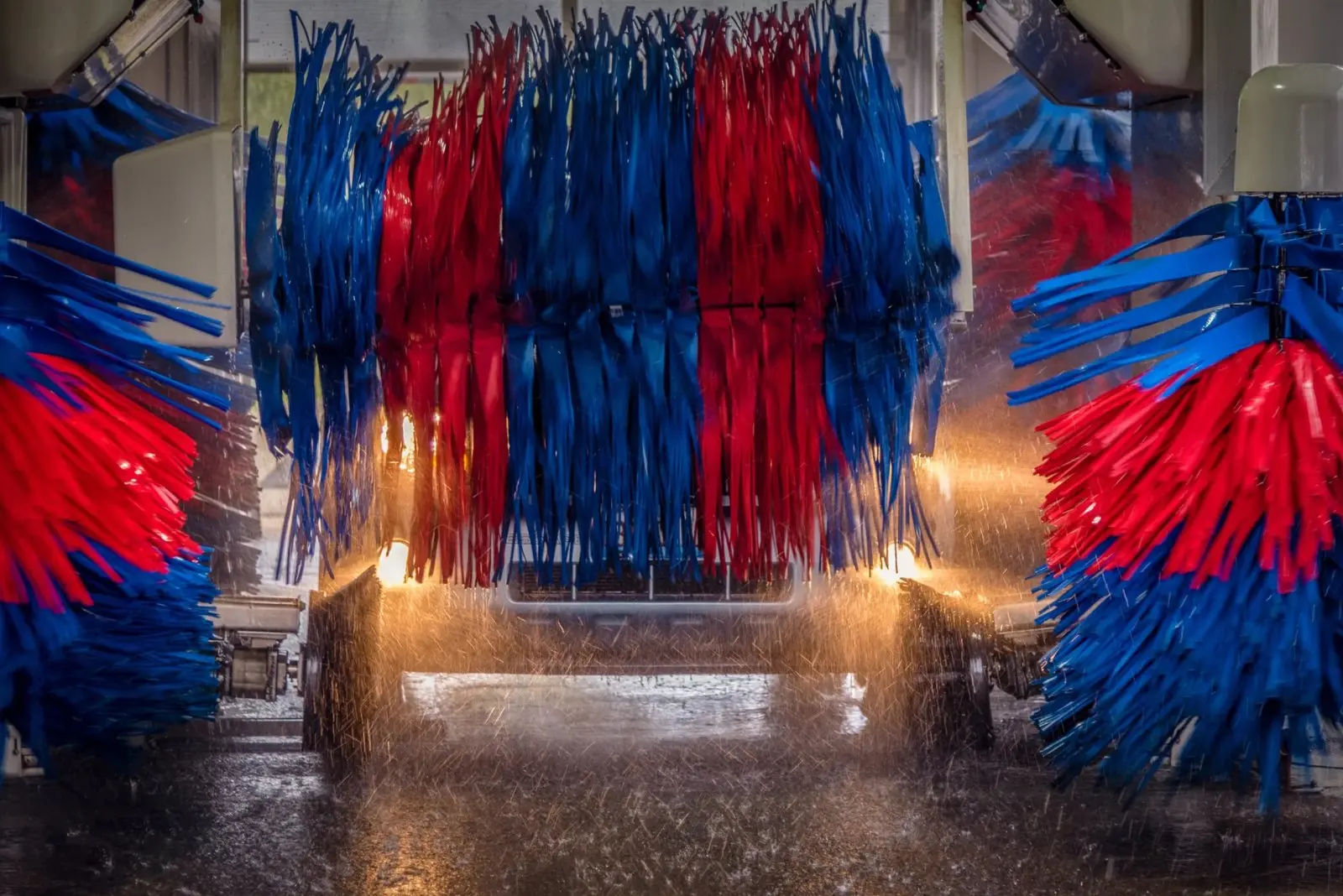
A luxury hand car wash is a paint-safe cleaning method where trained technicians wash your vehicle by hand using soft microfiber mitts, pH-balanced soaps, and a multi-bucket process instead of spinning brushes. The difference between hand washing and automated tunnels comes down to one thing: control over what touches your paint.
The process matters as much as the method. A proper hand wash starts with a foam cannon pre-soak that lifts loose debris before any contact, then moves to a gentle two-bucket wash, wheel cleaning with dedicated tools, and a careful dry using plush towels or filtered air. Nothing about that sequence is fast, and that is the point.
If you want to see what that process looks like in practice, you can explore our premium hand car wash service and book a slot that fits your schedule.
How to Choose a Safe Hand Car Wash
Choosing a safe hand car wash comes down to verifying the process, not the marketing. Ask how the shop prevents cross-contamination between the wheels and the paint, and listen for specifics: separate buckets, dedicated wheel mitts, fresh towels per vehicle.
Questions to Ask Before You Hand Over the Keys
- Does the wash start with a pre-soak or foam cannon stage, or does soap hit dry paint first?
- Are wheel and tire tools kept separate from paint-contact tools?
- How often are wash mitts and drying towels replaced or laundered?
- Is the vehicle dried with clean microfiber or with a squeegee that can trap grit?
- Do they offer a customer satisfaction guarantee if something goes wrong?
A shop that stumbles on these questions is telling you something.
How to Remove Light Scratches From Car Paint
Light scratches in the clear coat can sometimes be reduced by hand polishing, but the fix only holds if you stop the cause. Most light scratches come from washing and drying, not from the road.
Here is a general approach to the process:
- Wash and dry the panel properly so you are not polishing over grit.
- Inspect the scratch under direct light to confirm it sits in the clear coat, not the color layer.
- Apply a fine polish with a soft foam pad, working in small sections.
- Wipe residue with a clean microfiber and re-inspect.
- Seal the area with wax or a coating to protect the corrected finish.
Watch out: polishing a scratch you cannot clearly see in good light usually makes the surrounding clear coat thinner without fixing anything. If your fingernail catches the scratch, it is likely too deep for hand polishing and needs a professional assessment.
Prevention is the real fix. Our guide on how to protect car paint from scratches covers the washing habits and protection layers that keep light scratches from coming back.
Benefits of Ceramic Coating for Cars and How Hand Washing Preserves Them
The benefits of ceramic coating for cars include a harder, slicker surface that resists water spotting, makes dirt easier to rinse away, and holds gloss far longer than wax alone. A ceramic coating is a liquid polymer that bonds to your clear coat and cures into a semi-permanent protective layer. That layer is tough, but it is not invincible, and how you wash the car determines how long it lasts.
This is where hand washing earns its keep. Automated brushes and harsh alkaline soaps degrade a coating over time, while a gentle hand wash with pH-neutral soap keeps the layer intact. A coated car also washes faster by hand because contaminants release more easily from the slick surface.
If you are weighing whether a coating is worth it for your vehicle, our breakdown of the benefits of car ceramic coating explains what the layer does and how to care for it.
What Luxury Auto Detailing Packages Include
Luxury auto detailing packages are often offered in tiered service levels, though what each tier includes varies by provider. The problem with most package menus is that “premium” and “full service” are undefined, so two shops can charge similar amounts for very different work. The useful way to compare is to itemize what is actually performed at each tier.
| Package Level | Exterior Scope | Interior Scope | Typical Cadence | Best For |
|---|---|---|---|---|
| Maintenance hand wash | Foam pre-soak, two-bucket hand wash, wheel and tire cleaning, tire dressing, hand dry | Vacuum, wipe-down of hard surfaces, glass cleaning | Every two to four weeks | Regularly kept vehicles |
| Full-service wash and interior | Everything in maintenance plus clay bar decontamination, hand-applied wax or sealant, trim and glass detailing | Shampoo of carpets and mats, leather cleaning and conditioning, crevice and vent detailing | Every three to six months | Seasonal refresh |
| Paint correction and protection | Machine polish to remove swirl marks and light defects, panel wipe, ceramic coating application | Deep clean, steam where appropriate, odor treatment | Annually or on new ownership | Vehicles with dull or swirled paint |
| Full detail | Correction plus coating plus engine bay cleaning and exterior trim restoration | Full interior deep clean including headliner and trunk | As needed | Pre-sale, post-purchase, or show preparation |
The gap between them is not just time, it is the decontamination step (clay bar or chemical iron removal) and the correction step (machine polishing), which are what actually change how the paint looks and how long protection lasts.
Matching the Package to Your Vehicle
A daily-driven sedan needs a maintenance wash on a regular cadence and a full detail a couple of times a year. A garage-kept performance car with fresh paint benefits most from correction and coating before anything else, because polishing a coated or swirled surface without correcting it first locks in the defects.
Vehicle-specific considerations change the recommendation:
- Luxury paint and dark colors: Dark paint shows swirl marks more than light paint, so correction and a coating pay off faster, and wash technique matters more.
- Ceramic-coated vehicles: Skip the wax tier; a coated car needs a maintenance wash with pH-neutral soap and a coating-safe topper, not a wax that sits on top of the coating.
- Convertibles: The soft top needs dedicated cleaning and protection separate from the paint, and interior leather on an open cabin needs conditioning more often.
- Electric vehicles: No engine bay work is needed, but cabin air filtration, touchscreen and trim surfaces, and light-colored interior materials deserve attention.
- Delicate interiors: Alcantara, open-pore wood, and matte finishes require dedicated products; confirm the shop uses them before booking a full interior.
You can browse our auto detailing services to see which package fits your vehicle and how each tier is structured.
How Often to Schedule a Hand Wash and What Aftercare Looks Like
The right hand-wash frequency depends on how much a vehicle is driven and where it is parked. Weekly washing is fine for a coated car; the goal is removing contaminants before they bond. The schedule should follow conditions, not the calendar alone.
Cadence by Driving Conditions
- Daily commuting in traffic or near construction: Every one to two weeks. Brake dust and road film bond quickly, and the rear of the car collects the most.
- Coastal or winter-road exposure: Every one to two weeks, with an undercarriage rinse. Salt and sea spray are the most aggressive contaminants a finish sees.
- Garage-kept weekend car: Every three to four weeks is usually enough, plus a spray detailer after each drive.
- Coated vehicle: Every two to four weeks with pH-neutral soap; the coating makes each wash faster, so the interval can stretch slightly.
- Uncoated or waxed vehicle: Every two weeks, because wax degrades faster and offers less sacrificial protection.
Between-Visit Aftercare
Aftercare matters as much as frequency:
- Dry with clean microfiber or filtered air, never a worn towel.
- Use a spray detailer between washes to lift light dust safely; do not dry-wipe a dusty panel.
- Keep bird droppings and tree sap off the paint; both etch quickly, and a waterless wash or rinse is the safe removal method.
- Rinse the wheel wells and undercarriage after winter-road driving.
- Reapply protection on the schedule your coating or wax requires; a coating typically needs a topper every few months, wax every few weeks.
- Clean interior touchpoints, steering wheel, shifter, door handles, weekly, since those surfaces wear faster than the paint.
Watch out: skipping washes because the car “looks clean” lets invisible contamination bond to the surface, and that is what dulls a finish and makes the next wash harder. A coated car that looks clean can still carry a film of iron and road grime that only a wash removes.
Book Your Free Quote at Automobilia Auto Salon
Protecting a luxury finish is a habit, not a one-time purchase. Automobilia Auto Salon offers XPEL paint protection film, window tinting, ceramic coatings, and custom aesthetic enhancements, along with 2025 Tesla courtesy cars.
Request a free quote from Automobilia Auto Salon to get started. You can get a free quote for a hand wash or detailing service.
Ready to stop worrying about swirl marks and start enjoying your finish again? Request a free quote and we will walk you through the right wash and protection plan for your vehicle.
Frequently Asked Questions
What is the difference between a standard car wash and a luxury hand car wash?
An automated tunnel wash uses spinning brushes and stiff cloth strips that trap grit and drag it across the paint, which is how swirl marks and fine scratches appear. A luxury hand car wash uses a pre-soak and foam cannon to lift dirt first, then two-bucket hand washing with clean microfiber mitts, so contact is controlled and the mitt is rinsed between panels. The finish is typically dried with filtered air or plush towels rather than a high-speed blower pushing trapped water. The difference shows up most on dark paint and on vehicles with ceramic coating.
How often should I get a luxury hand car wash to maintain my vehicle’s finish?
Most daily-driven vehicles benefit from a hand wash every two to four weeks, with a rinse or waterless wipe-down in between if the car picks up road film. Vehicles with a ceramic coating can stretch to roughly monthly because the coating sheds dirt and water more readily, but bird droppings, tree sap and road salt should come off as soon as you spot them. Garage-kept weekend cars often need only a wash every four to six weeks. Ask your detailer to set a schedule based on how the car is stored and driven.
Are hand car washes safer for ceramic coated vehicles?
Yes. A ceramic coating works as a sacrificial layer that repels water and contaminants, and its benefits of ceramic coating for cars depend on the layer staying intact. Abrasive tunnel brushes wear at that layer over time, while a careful hand wash removes dirt without scrubbing the coating itself. Use pH-neutral shampoo, avoid dish soap, and never let a wash crew use a dry towel on a dusty panel. A coated car washed by hand keeps its gloss and hydrophobic behavior noticeably longer.
What should I expect to pay for a premium hand car wash service?
Pricing depends on vehicle size, condition, and whether you add interior cleaning, wheel and tire work, or paint protection. A single full-service wash costs more than a basic exterior-only wash, and unlimited wash memberships spread the cost across the year. Because rates vary by shop and by vehicle, ask for an itemized quote before booking so you know exactly what is included. Request a free quote from Automobilia Auto Salon for pricing specific to your vehicle.
