
Last Updated: November 28, 2026
Quick Summary
Protecting luxury vehicle paint in Connecticut works best with three layers: paint protection film for physical impact, a ceramic coating for chemical resistance and gloss, and a consistent care routine. Film guards high-impact areas like the hood and bumper against road debris, while ceramic handles road salt, UV exposure and easier cleaning.
- Paint protection film stops stone chips and road debris, so it suits the hood, front bumper and fenders.
- Ceramic coating adds chemical resistance and gloss, but it offers little physical protection against stone strikes.
- Wax lasts weeks and sealant lasts months, so both work best as maintenance toppers rather than primary defense.
- Partial-front film is the common starting point, with full-front and full-body coverage added later if needed.
- Rinse road salt off lower panels promptly after winter driving, and avoid brush car washes that cause micro-scratches.
Table of Contents
- How Do You Protect Luxury Vehicle Paint in Connecticut?
- Comparing PPF, Ceramic Coating, Wax and Sealants
- Paint Protection Film Cost and What Drives the Price
- Full Front Paint Protection Film Coverage Options
- Connecticut Seasonal Protection: Road Salt, Debris and Sun
- Paint Protection Film Durability and Long-Term Expectations
- Paint Protection Film Maintenance and Care Routine
- Booking Your Paint Protection Consultation at Automobilia Auto Salon
- Frequently Asked Questions
How Do You Protect Luxury Vehicle Paint in Connecticut?
Protecting luxury vehicle paint in Connecticut comes down to three layers: a physical barrier like paint protection film (PPF), a chemical coating such as ceramic, and a consistent care routine. Each layer handles a different threat, from stone chips on the highway to road salt in winter and UV fading in summer. At Automobilia Auto Salon, we help owners of luxury and high-performance vehicles build that layered approach, and we’ll walk through how each piece fits together.
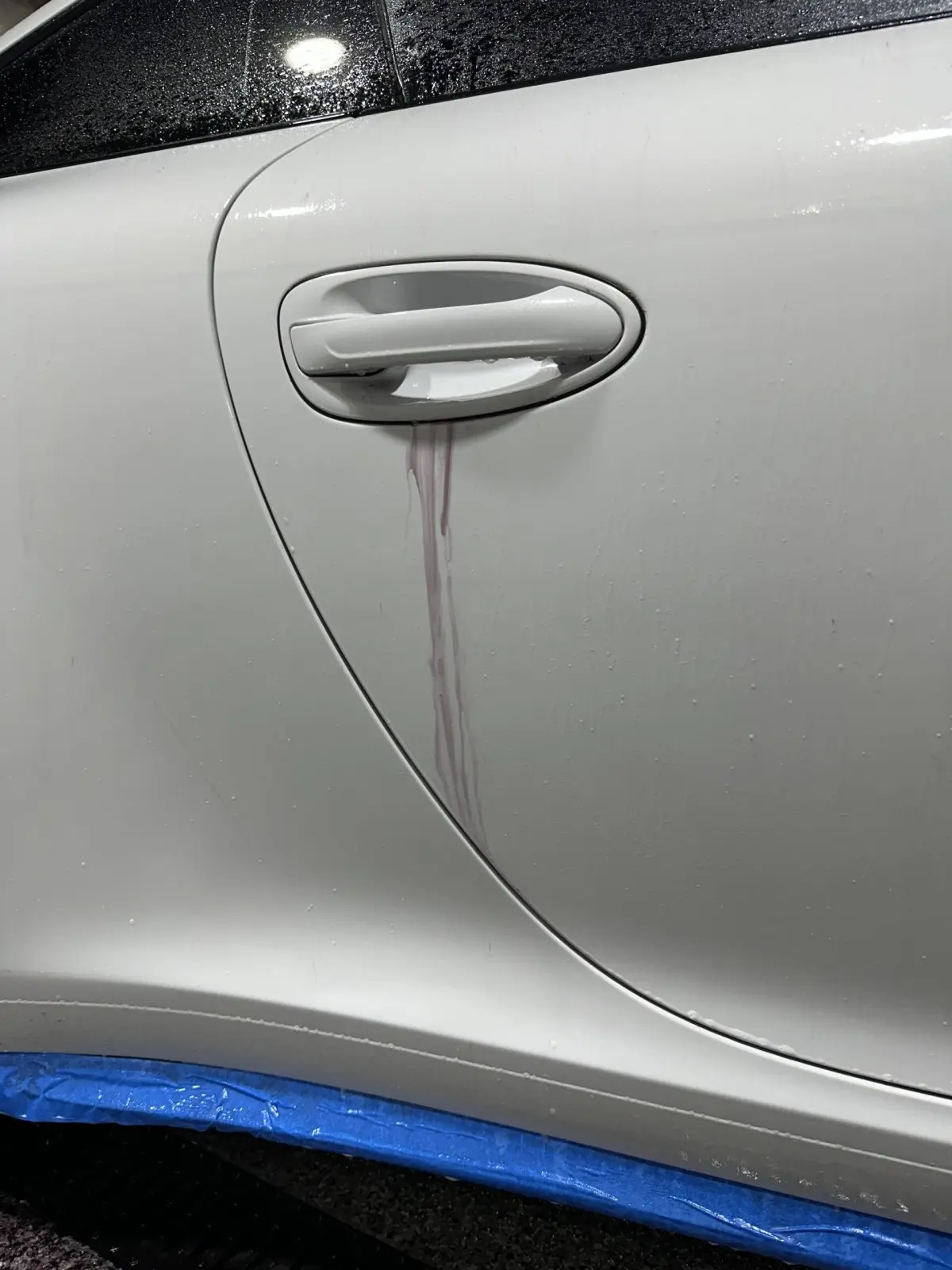
Start with the threats. Stone chips and road debris cause physical damage that no wax can stop. Road salt and brine used in winter attack the clear coat chemically.
Many luxury owners start with PPF on high-impact areas like the hood, front bumper, fenders and mirrors, then add a ceramic coating across the whole body for chemical resistance and easier cleaning.
Comparing PPF, Ceramic Coating, Wax and Sealants
Each protection method does a different job, and no single option covers everything. If you want to see what ceramic coating involves and whether it fits your car, see our ceramic car coating options.
| Method | Main Protection | Typical Lifespan | Best For | Limitation |
|---|---|---|---|---|
| Paint protection film | Physical impact and chip resistance | Many years with proper care | Hood, bumper, fenders, high-impact areas | Visible edges if poorly installed |
| Ceramic coating | Chemical resistance, gloss, easy cleaning | Multiple years | Full-body gloss and contamination resistance | Does not stop stone chips |
| Wax | Short-term gloss and water beading | Weeks to a few months | Enthusiasts who re-apply regularly | Wears off quickly under salt and washing |
| Sealant | Moderate water protection and shine | Several months | Budget-conscious maintenance | Less durable than ceramic |
Paint protection film is a clear film applied to the surface.
Ceramic coating bonds chemically with the clear coat and creates a hard, glossy layer. Pros: strong chemical resistance, shine and easier washing.
Wax delivers warmth and gloss for a few weeks at a time. Pros: inexpensive and easy to apply.
Sealant is a synthetic polymer that lasts longer than wax. Pros: affordable, with decent water beading.
Paint Protection Film Cost and What Drives the Price
Typical installed price ranges for a luxury vehicle, based on common market patterns:
| Coverage level | What is covered | Typical installed range |
|---|---|---|
| Partial front | Hood leading edge, front bumper, fender tips, mirrors | $700-$1,500 |
| Full front | Full hood, full fenders, front bumper, mirrors, headlights, A-pillars | $1,800-$3,500 |
| Full body | Every painted exterior panel | $5,000-$9,000+ |
These are ranges, not quotes. A Tesla Model 3 and a Porsche 911 sit at very different points on the same scale because of panel count, curvature and trim disassembly.
The main cost drivers are:
- Coverage area: A hood-only application costs far less than full-front or full-body coverage. Each additional panel adds film and labor.
- Vehicle size and body complexity: Vehicles with deep curves, sharp body lines, large one-piece panels and sensors take more film, more relief cuts and more labor. A full hood on a car with a single crease is faster than one with compound curves.
- Film type: Films differ in clarity, thickness and self-healing properties. Premium films with stronger top coats cost more per roll, and that difference shows up in the quote.
- Plotter-cut versus bulk installation: Computer-cut patterns save labor and fit consistently, while bulk installation allows more edge wrapping but takes more skill and time. Ask which method the installer uses and why.
- Edge wrapping and disassembly: Wrapping edges and removing trim, badges and lights add labor but reduce visible seams and lifting risk.
When comparing quotes from any installer, ask what film is being used, which areas are covered, whether edges are wrapped, whether trim is removed, and what warranty applies.
One more factor worth budgeting for: PPF is not a one-time purchase forever.
Full Front Paint Protection Film Coverage Options
Most luxury owners choose between three coverage levels for the front of the car. Each balances cost against protection.
- Partial-front coverage: Covers the hood, front bumper and fender edges. This is the most common starting point and addresses the areas hit most often by highway debris.
- Full-front coverage: Adds the mirrors, the lower bumper section, A-pillars and headlight areas. This gives a more complete shield and a consistent look.
- Full-body coverage: Protects the entire painted exterior. This is the most thorough option, though it is also the most expensive and takes the longest to install.
Our advice is to begin with the high-impact zones and expand later if you drive frequently on highways or gravel.
Watch out: Asking for full-body film without confirming the installer’s experience with your model can lead to poor fit around sensors and curved panels.
Connecticut Seasonal Protection: Road Salt, Debris and Sun
Connecticut’s climate creates a year-round cycle of threats. Winter brings road salt and brine that cling to lower panels and wheel wells. Spring thaw and loose gravel increase chip risk. Summer sun drives UV oxidation, and fall leaves and tree sap add staining.
Here is how we suggest adjusting your routine by season:
- Winter: Rinse the undercarriage and lower panels after snow or salt exposure, and keep a ceramic coating on the body to make salt easier to remove.
- Spring: Inspect the front-end film for lifting edges and check for new chips after rough winter roads.
- Summer: Watch for UV-related fading on unprotected panels, and clean off bird droppings and bug residue quickly.
- Fall: Remove tree sap and leaf stains promptly before they etch into the finish.
A car that sits in a garage through the worst months needs less protection than one commuting along I-95 every day. Match your plan to how you actually drive.
Paint Protection Film Durability and Long-Term Expectations
PPF is designed to last for years, but “years” is not a useful number on its own. For a dedicated breakdown of film life, read how long paint protection film lasts.
Typical lifespan. Film life depends on the product, the installation and how the vehicle is kept and driven.
Self-healing properties. Many premium films recover from light swirl marks and minor scuffs when heat is applied, such as warm water, a heat gun used carefully by a professional, or direct sun. Because self-healing film addresses light surface marks rather than every paint concern, professional paint sealant may be another consideration for daily drivers weighing how to protect their finish.
What shortens film life:
- Abrasive washing: Brush car washes and dirty mitts create micro-scratches that dull the top coat over time.
- Edge lifting: Edges are the most common failure point. Properly wrapped edges and quality adhesive minimize lifting, but a lifted edge traps dirt and grows if ignored.
- Chemical exposure: Harsh degreasers, tar removers left too long, and some bug and sap removers can degrade the film surface.
- Sun exposure: Long-term UV exposure affects the film’s top coat just as it affects paint, which is why film on a car parked outside ages faster than one kept indoors.
- Improper removal or reinstallation: Pulling film off a panel that was not properly prepped can take paint with it.
Clarity over time. Film clarity depends on film quality, care and exposure.
Repair expectations. Ask your installer what repair options apply to your film and how they handle larger damage.
Long-term results generally depend on proper installation and consistent care as much as on the film itself.
Paint Protection Film Maintenance and Care Routine
Good care keeps film clear and extends its life. The routine is simpler than most owners expect. For specific guidance, see how to wash a car with PPF safely.
- Wash regularly with pH-neutral soap and a soft microfiber mitt. Avoid harsh cleaners and abrasive pads.
- Rinse off salt and grime promptly after winter driving, especially from lower panels and the front end.
- Avoid automatic car washes with brushes, which can cause micro-scratches and edge lifting over time.
- Use a gentle detailing spray on the film every few weeks to maintain gloss and slickness.
- Remove stains quickly, such as bird droppings, bug splatter and tree sap, using a soft cloth and a safe cleaner.
- Inspect edges monthly for lifting, peeling or debris trapped underneath.
Following this routine keeps the film looking its best and makes it easier to spot small issues before they grow.
Booking Your Paint Protection Consultation at Automobilia Auto Salon
If you own a luxury or high-performance vehicle and want a clear plan for protecting its paint, a consultation is the best place to start. You can find paint protection film near you and request an estimate.
During a consultation, we can review your vehicle’s condition, discuss which areas need film and which benefit from ceramic coating, and explain what drives the cost for your specific car.
Ready to talk through your options? Request a free quote and we’ll help you build a plan for your vehicle.
Frequently Asked Questions
How much does paint protection film usually cost?
Paint protection film pricing depends on the vehicle size, how much coverage you choose, the film grade and the complexity of the body panels. Full-front coverage on a luxury vehicle costs more than a partial kit because it requires more film and more labor. Pricing also varies with the installer’s experience and whether the film is pre-cut for your model. For a current figure tailored to your vehicle, request a quote from Automobilia Auto Salon, which will assess your car and explain exactly what is included before any work begins.
How long does paint protection film last?
Paint protection film durability depends on the film quality, the installation, the driving environment and how the film is cared for. Higher-grade films are designed to resist yellowing, staining and cracking for many years, and they include warranties that define what is covered and for how long. Regular washing with pH-neutral soap, avoiding abrasive cleaners, and keeping the film free of harsh chemicals all help it perform as intended. Ask your installer for the warranty terms in writing before you commit.
What parts of a luxury vehicle should paint protection film cover?
Most owners focus on high-impact areas such as the hood, front bumper, fenders, side mirrors and door edges, since these take the most road debris and stone chips. Full-front coverage extends this protection across the whole front of the vehicle, while partial coverage targets only the most exposed panels. Edge wrapping on doors and the hood can help protect against lifting. Your installer can recommend a layout based on how and where you drive.
How do I maintain paint protection film through a Connecticut winter?
Road salt and winter grime are among the biggest challenges for protected paint in Connecticut. Rinse the vehicle regularly during winter months, including the underbody when possible, and wash with a gentle pH-neutral soap rather than harsh detergents. Avoid automatic washes with brushes that can dull the film’s finish. Removing salt residue promptly helps preserve the clarity and gloss of the film through the season.
Can you apply ceramic coating over paint protection film?
Ceramic coating is often used as a complement to paint protection film, adding a layer that makes the surface easier to clean and enhances gloss. Whether it is suitable for your specific film should be confirmed with your installer, since compatibility depends on the film product and the coating formulation. Ask for a clear recommendation before combining the two so you understand how each layer contributes to the overall protection and care routine.
Is paint protection film worth it for a luxury vehicle?
For many luxury vehicle owners, paint protection film is a way to preserve factory paint from road debris, stone chips, light abrasion and environmental damage. The value depends on how you use the vehicle, how long you plan to keep it and how much you care about maintaining its appearance. Comparing film with ceramic coating, wax and sealants helps clarify which combination fits your driving habits and goals.
